Column · @theradonteststlouislife
What to Expect from a Radon Test St Louis Homeowner Should Schedule
If you own a home in the St. Louis area, you have probably heard about radon. Maybe a neighbor mentioned it during a block party, or you saw a flyer at the hardware store. Radon gas is a natural radioactive byproduct of uranium decay in the soil. It seeps into houses through cracks in the foundation, gaps around pipes, and other openings. The EPA estimates that radon causes more than 20,000 lung cancer deaths per year in the United States. For anyone living in Missouri, this is not a distant problem. Missouri radon levels can be significant, especially in parts of the metro area. That is why a radon test st louis homeowners arrange early in the homebuying process or during a seasonal check is a practical step toward protecting indoor air quality.
Why Radon Testing Matters in St. Louis
St. Louis sits on a mix of glacial till, loess, and limestone bedrock. These soil types can contain varying amounts of uranium. When uranium decays, it releases radon gas. The gas moves upward through the soil and can enter a house through the lowest level. The EPA has classified zones across the country based on predicted average indoor radon levels. Much of the St. Louis metropolitan area falls into Zone 1, meaning the predicted average is above four picocuries per liter (pCi/L). That is the level at which the EPA recommends taking action. But zone maps are averages. Your specific house might have lower levels or much higher levels. The only way to know is to perform a measurement.
A radon test st louis residents rely on uses a radon detector that sits in the lowest livable area of the home for a set period. Short-term tests last between two and seven days. Long-term tests can run for three months to a year. For a real estate transaction, a short-term test is standard. For a family that wants to know their year-round exposure, a long-term test gives a more accurate picture because radon levels fluctuate with weather, soil moisture, and how the house is used.
How a Home Radon Test Works
Most home radon test kits use activated carbon as the detection medium. The carbon absorbs radon decay products over the test period. After the exposure window, you seal the device and mail it to a lab. The lab counts the radioactivity and reports the result in pCi/L. It sounds simple, and in many ways it is. But accuracy depends on following the instructions carefully. The device must be placed in a room that is used regularly, like a living room or a basement den. It cannot be near a window, an exterior door, or a heat source. The house should be kept in "closed-house conditions" for the test: windows closed, doors shut, and no whole-house fans running. This simulates the conditions that would exist if you were trying to reduce radon entry. If you open windows during the test, the result will be artificially low, and you might think your home is safe when it is not.
I have seen homeowners use a single short-term test and assume the result is absolute. A good radon measurement includes an understanding that the number is a snapshot, not a guarantee. Radon levels can change with the season. In winter, houses are sealed tight, and radon can build up. In summer, opening windows can lower levels. A single test in spring might give a false sense of security. That is why the EPA recommends testing every two years, and after any significant renovation, especially if you finish a basement or change the foundation.
Interpreting Your Radon Test Results
The EPA action level is 4.0 pCi/L. If your test shows a level at or above that, the EPA says you should fix your home. The average indoor radon level in the United States is about 1.3 pCi/L. So if your result is 2.0 pCi/L, you are below the action level, but you are still above the average. Some experts recommend mitigation even at levels between 2.0 and 4.0 pCi/L, especially if children or smokers live in the home. The risk of lung cancer from radon is cumulative and dose-dependent. Every increment of exposure adds risk.
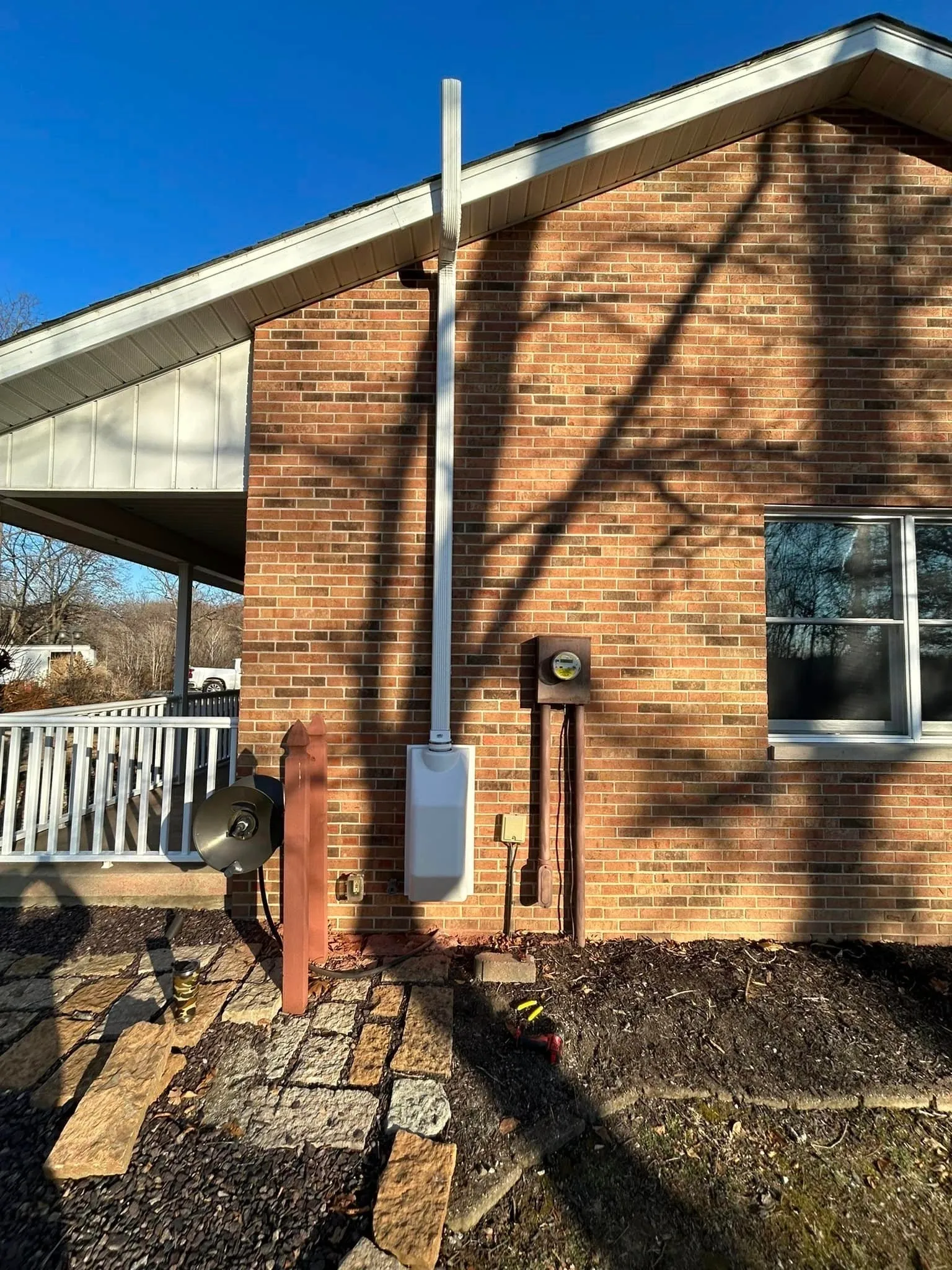
If you receive a result above 4.0 pCi/L, the next step is radon mitigation. In St. Louis, the most common and effective method is sub-slab depressurization. This system involves drilling a hole through the basement floor, creating a suction point under the slab, and installing a radon vent pipe that runs up through the house to the roofline. A radon fan, usually installed in the attic or outside the home, pulls the radon gas from beneath the foundation and exhausts it above the roof, where it disperses harmlessly. A professional radon mitigation contractor like Air Sense Environmental can design and install the system for your specific foundation type, whether you have a basement, slab-on-grade, or crawlspace.
The Role of Post-Installation Verification
Installing the system is only half the job. The real proof comes from post-installation verification. After a radon system installation is complete, the contractor should perform another radon test to confirm that the indoor levels have dropped below the EPA action level, ideally below 2.0 pCi/L. This second test follows the same protocol as the first, with closed-house conditions and a calibrated detector. I have seen systems that failed to reduce levels because the fan was undersized, the suction pit was blocked by gravel, or the vent pipe had a leak. Without a post-installation verification test, you would never know. A reputable company will guarantee a post-mitigation test result and will adjust the system until the level is acceptable.
Radon Risk and Your Family's Health
Radon gas is invisible and odorless. You cannot see it, taste it, or smell it. The only way to know it is there is to test. The health risk comes from the radioactive particles it releases when it decays. When you breathe radon decay products into your lungs, those particles emit alpha radiation that can damage lung tissue and lead to cancer over many years. The EPA and the Surgeon General have identified radon as the second leading cause of lung cancer after smoking. For nonsmokers, radon is the leading cause of lung cancer. That is a sobering statistic, and it is why I encourage every homeowner in St. Louis to perform a home radon test at least once.
The cost of a test kit is around $15 to $25. A professional radon measurement service might charge $100 to $200. Compare that to the cost of lung cancer treatment or the emotional toll of a preventable illness. Testing is cheap insurance. And if you find a problem, radon remediation is usually straightforward and not outrageously expensive for most homes. The price of a sub-slab depressurization system in St. Louis typically ranges from $800 to $2,500, depending on the complexity of the installation. That includes the radon fan, the radon vent pipe, and the labor. Many homeowners spend more on a new refrigerator or a weekend trip.
When to Test and When to Retest
The best time to test is as soon as you move into a new home. If you have lived in your house for years and never tested, do it now. There is no bad time to test, but for the most accurate baseline, test during the heating season when the house is closed up. The EPA recommends testing in the winter if possible. If you have already mitigated, test again every two years to make sure the system is still working. Radon fans have a lifespan of about five to ten years, depending on the model and usage. The fan can fail, the pipe can get clogged, or the suction point can become blocked. A simple retest can catch these issues early.
If you are buying a home, make a radon test st louis condition of the sale. A real estate transaction often includes a radon test as part of the home inspection. The buyer pays for the test, and the seller allows access. If the result comes back high, the buyer and seller can negotiate who pays for mitigation. Some sellers will install a system before closing. Others will give a credit. Either way, knowing the radon level before you sign is essential. You do not want to discover a radon problem after you have moved in and unpacked all the boxes.
Final Thoughts on Radon in St. Louis Homes
Radon is a serious issue, but it is also a manageable one. The science is well understood, the testing is straightforward, and the mitigation technology is proven. The hardest part is getting people to take that first step and actually test. It is easy to put it off. You have a busy life, and radon is invisible. But the risk is real, and it is local. St. Louis has the geology and the housing stock that can lead to elevated radon levels. A simple radon test can give you peace of mind or alert you to a problem you can fix. If you hire a qualified contractor like Air Sense Environmental for the installation, you get a system that is designed for your specific home and tested afterward to make sure it works. That is the right way to handle radon. Test first, mitigate if needed, verify the fix, and retest every couple of years. It is a straightforward cycle that protects your home and your health.